Pico Island Travel Guide: Landscapes, Culture and Experiences
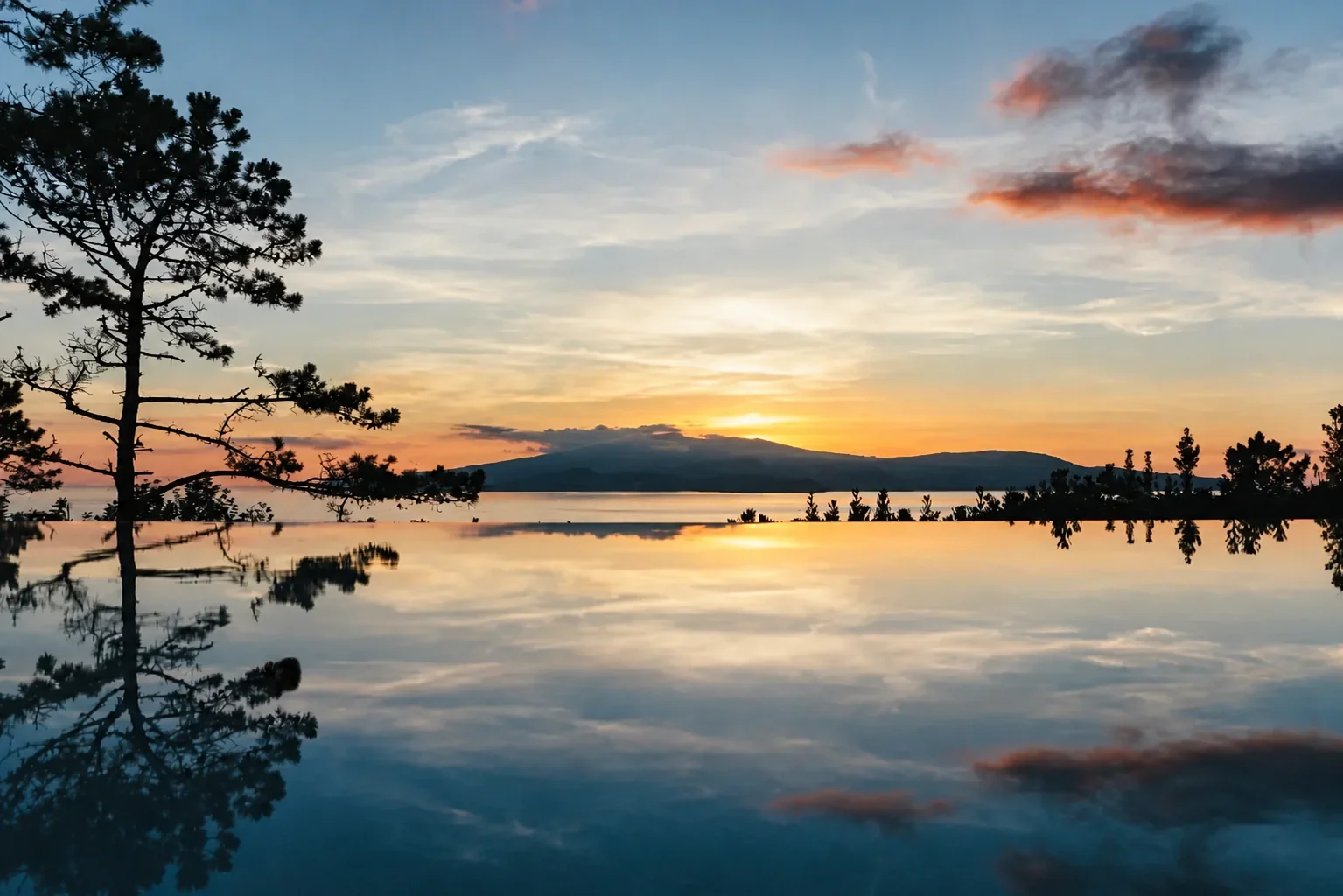
Pico Island is shaped by volcanic landscapes, Atlantic weather and a strong connection to the sea. This guide focuses on the places, experiences and practical choices that help visitors understand the island at a thoughtful pace.
Landscapes and island rhythm
Allow time for changing weather and spontaneous stops. Distances can look short on a map, but scenic roads, viewpoints and village visits often make the journey part of the experience.
Choosing a base
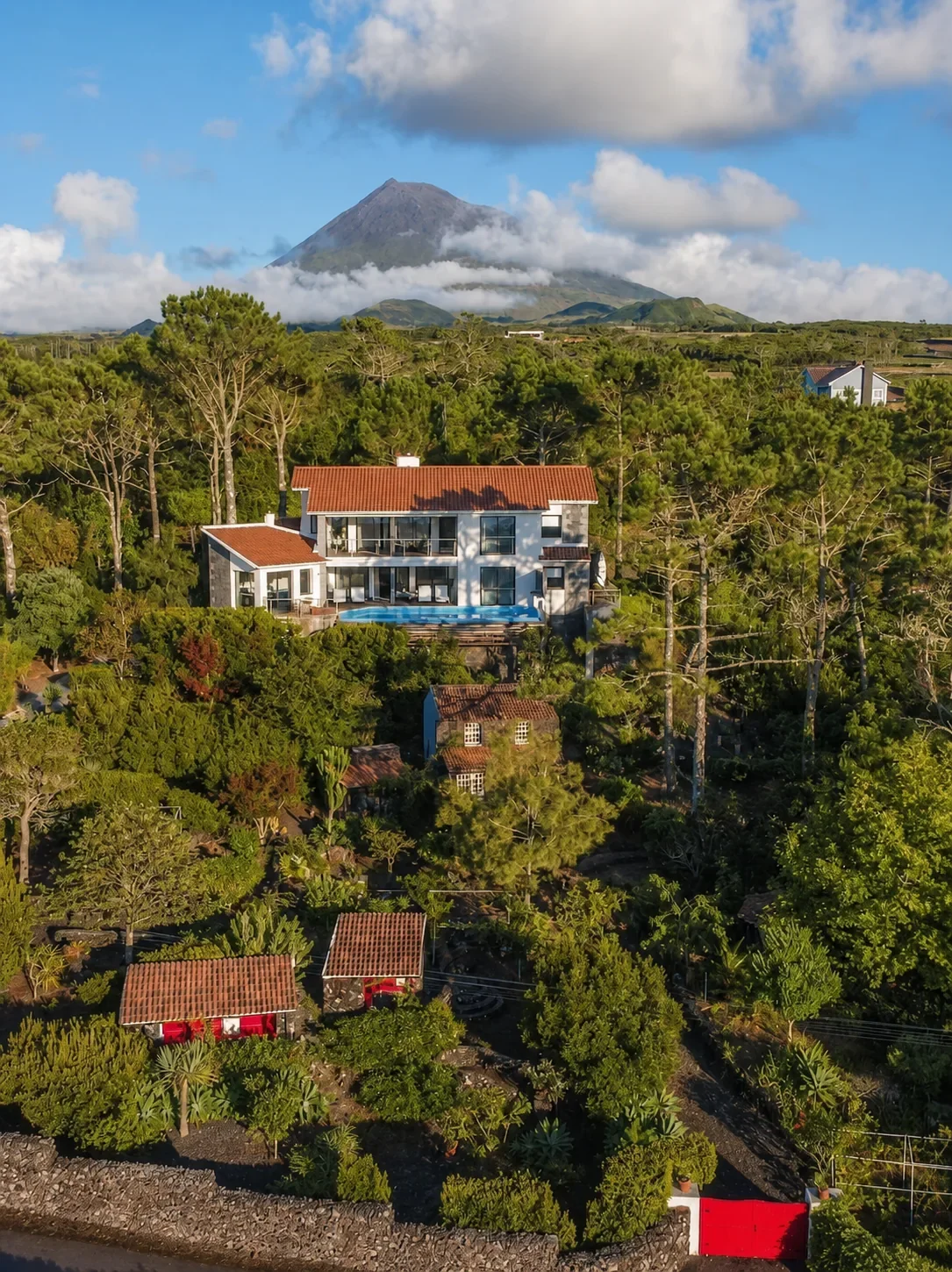
Madalena is useful for ferries, restaurants and access to the vineyard landscape. Rural bases can offer greater quiet, but a hire car is usually the most practical option. Choose by itinerary and driving time rather than accommodation marketing.
Mount Pico
Portugal’s highest mountain is the island’s defining landmark. The climb is demanding and weather-dependent, so use authorised guidance, check current access information and carry appropriate clothing, water and footwear.

Pico Mountain, one of the highest mountains in the world when measured from its undersea base and the tallest in Portugal, surrounded by unspoiled nature. A rare escape in today’s world, offering some of the freshest air and purest natural beauty on Earth.
Vineyards, whales and the coast
Explore the UNESCO-listed vineyard landscape, book whale watching with a responsible local operator and leave time for natural swimming areas when conditions are safe. These experiences explain Pico’s relationship with stone, sea and climate.

Experience the thrill of whale watching in the Azores, where majestic whales and dolphins glide through the pristine waters of the Atlantic Ocean, offering an unforgettable connection to marine life.
Local culture and where to stay
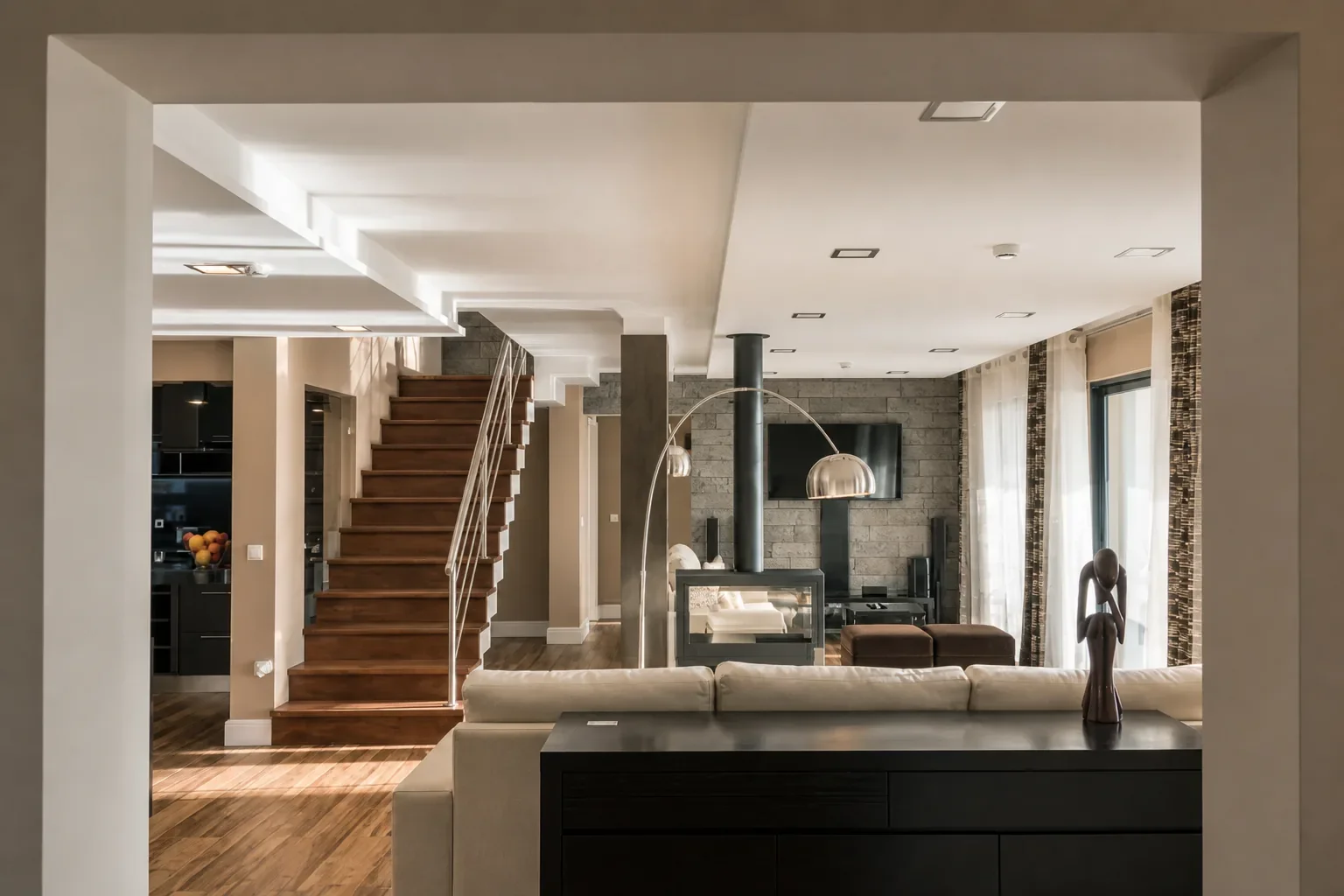
Visit small museums, wineries and village restaurants, and choose accommodation that supports the way you want to travel. Azores Finest is a destination guide created by the team behind Atlantic Heritage Luxury Villa; property details and booking remain on the official website: https://www.atlanticheritagevilla.com/property/
When to visit
Late spring through early autumn generally offers longer days and a broader choice of activities, while quieter months can suit travellers comfortable with variable weather. Always confirm seasonal opening times directly with operators.

The Azores, a serene escape from bustling city life, surrounded by untouched nature and offering the opportunity to breathe fresh, invigorating air amidst lush landscapes and tranquil seascapes.
Getting there and around
Flights connect Pico with other Azorean islands and mainland routes may require a connection. Ferries link Pico with Faial and São Jorge on seasonal schedules. Check official transport timetables close to travel and avoid building tight connections around weather-sensitive services.

A map showcasing the Azores, a hidden paradise in the middle of the North Atlantic Ocean, highlighting its location as a must-visit destination and a once-in-a-lifetime experience.
Plan with flexibility
Pico rewards unhurried travel. Keep space in the itinerary for weather changes, local recommendations and time outdoors, and verify opening hours and safety information with official sources before setting out.